

Introduction
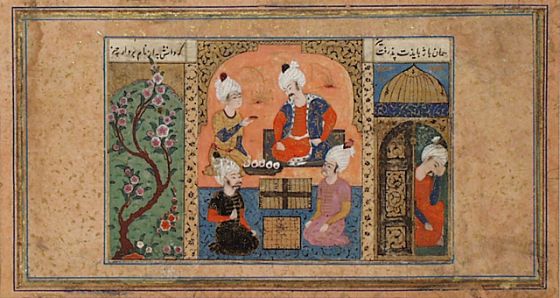
Chess is not just a game — it's a legacy of intellect, strategy, and culture that spans across more than 1500 years. From the palaces of ancient India to the world championship arenas of today, chess has grown into a symbol of wisdom, patience, and battle of minds. But how did this iconic game begin? Who first conceptualized it? And what role did India play in shaping its journey? Let's explore the captivating origins and transformation of chess.
De fascinerende reis van schaken van het oude India tot een wereldwijd fenomeen is een boeiend verhaal over strategie en denkvermogen. Net als schaken hebben kansspelen en weddenschappen een diepgewortelde geschiedenis. Dit trekt een parallel met de opkomst van online casino's, zoals het populaire Wolfy casino Belgium. Dit platform biedt een scala aan spellen die je strategisch denkvermogen uitdagen, net als een schaakpartij.
Wolfy Casino, als online platform, trekt vergelijkingen met de toegankelijkheid van schaken vanuit de wereldwijde arena. Net zoals schaakmanoeuvres strategische planning vereisen, vereisen de verschillende spellen in het casino nauwgezet denkwerk en strategische uitvoering. De voldoening die een goed gespeeld schaakspel oplevert, bootst de spanning na van het inzetten op een succesvolle hand of het draaien van een gunstige gokkast.
De overgang van fysieke bordspellen en casino's naar virtuele platforms is succesvol verlopen. Of het nu gaat om de spanning van een strijd tussen vernuft op de 64 velden van een schaakbord of een uitdagend spelletje in het Wolfy Casino, beide bieden een opwindende ervaring die diep in de geschiedenis is verweven.
 The Origins of Chess in Ancient India
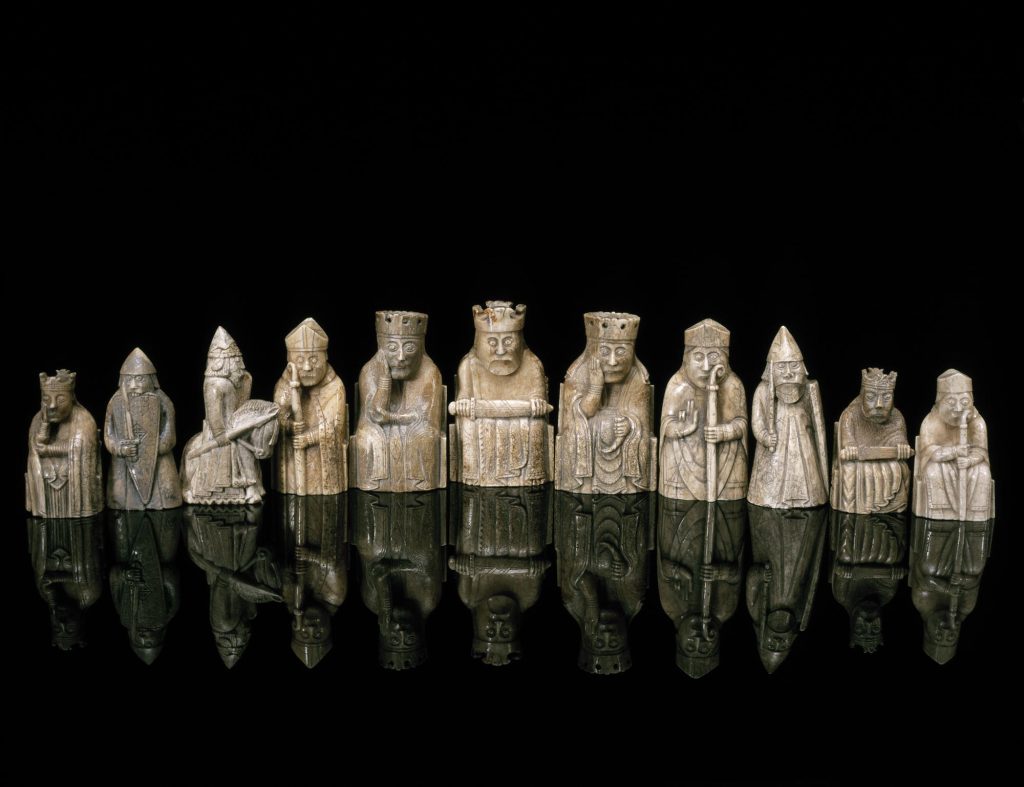
Chess finds its roots in a game called ‘Chaturanga’ which emerged in northern India during the Gupta Empire around the 6th century AD. The word 'Chaturanga' means 'four divisions of the military': infantry, cavalry, elephants, and chariots — which later transformed into the pawn, knight, bishop, and rook in modern chess.
Chaturanga was played on an 8x8 board called 'Ashtapada' and was not merely a game, but a reflection of real-life warfare strategy. It was designed to enhance tactical thinking and strategic decision-making among warriors and kings. Unlike today’s standardized rules, the gameplay of Chaturanga varied slightly in different regions.


How Chess Spread Across the World
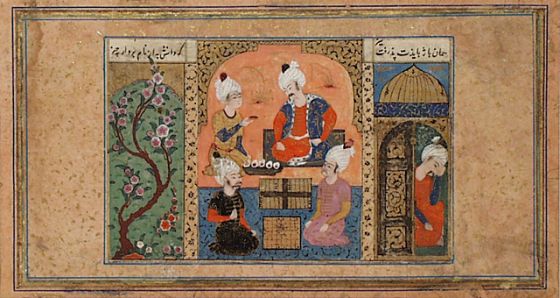
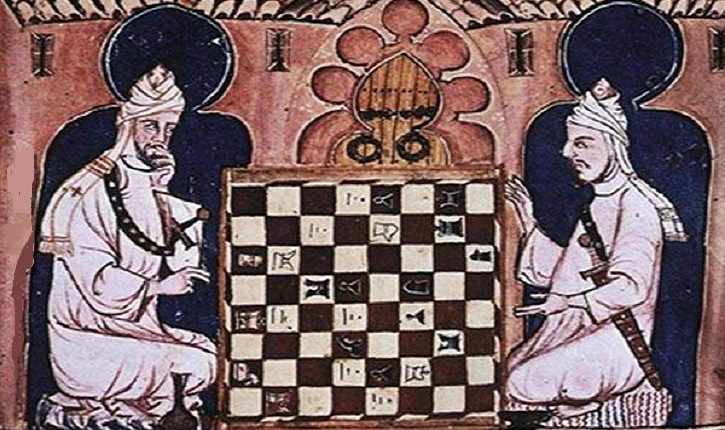
From India, the game traveled westward to Persia, where it was known as ‘Shatranj’. Here, the rules evolved and the pieces began to take more familiar forms. When Persia was conquered by the Islamic Caliphate, chess was embraced by the Muslim world and further spread into North Africa and Europe through Moorish Spain.
By the 15th century, chess underwent significant transformations in Europe — the queen became the most powerful piece, and the bishop gained more mobility. These changes marked the birth of modern chess, leading to the standardized rules we use today.
India’s Timeless Connection to Chess
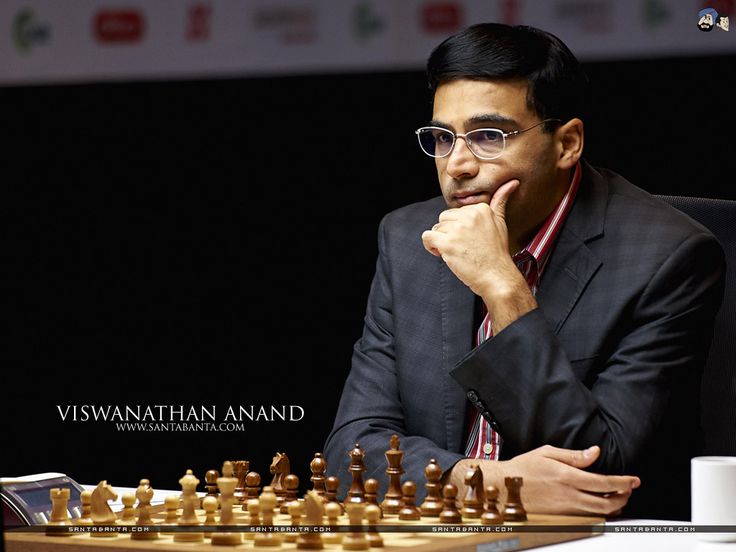
Even after chess spread globally, India remained a vital part of its story. The country has produced several renowned grandmasters, most notably Viswanathan Anand, a five-time World Chess Champion who became a national hero and global icon.
In modern times, India is considered a rising chess superpower, with thousands of young talents emerging every year. Cities like Chennai are known as the chess hubs of the country, and Indian players consistently perform on the global stage.



The First Chess Sets: Simplicity and Symbolism
The earliest physical chess pieces discovered were simple, functional, and symbolic. Made from wood, ivory, or stone, these pieces were not as decorative as today’s designs, but they carried deep meaning. In early Indian and Persian sets, each piece resembled the actual military unit it represented.
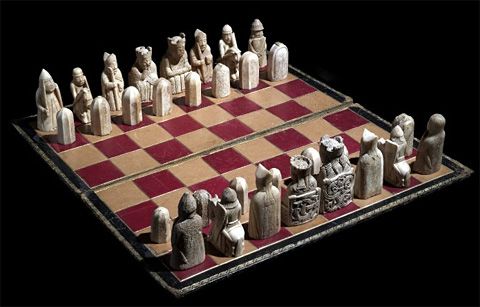
One of the most famous ancient chess sets is the ‘Isle of Lewis Chessmen’ discovered in Scotland, dating back to the 12th century. These pieces were made of walrus ivory and whale teeth, showcasing the game’s migration and evolution in Europe.
Chess in the 21st Century
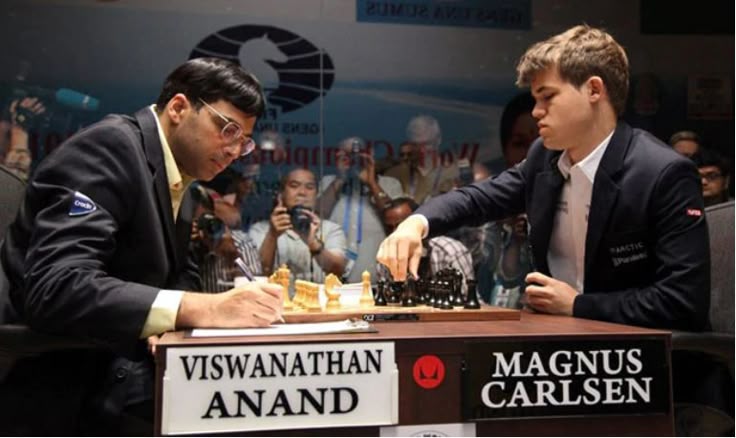
Today, chess is more than just a board game. It’s a professional sport, a digital entertainment, and a teaching tool used in schools around the world. Online platforms like Chess.com and Lichess have brought chess into the digital age, making it accessible to millions globally. With the rise of streamers, YouTubers, and global tournaments, chess has entered a new golden era.
India continues to shine with emerging stars like R Praggnanandhaa, Nihal Sarin, and Gukesh D, who are already making waves internationally at a young age.







Conclusion: More Than Just a Game
From ancient Indian battlefields to global online tournaments, the journey of chess is nothing short of extraordinary. It is a game of war, peace, intelligence, and art — all played on 64 squares. India’s contribution to this timeless game is foundational, and as the game evolves, the legacy of its origin continues to thrive.
Explore timeless handcrafted chess sets inspired by this rich history at Chessbazaar


